

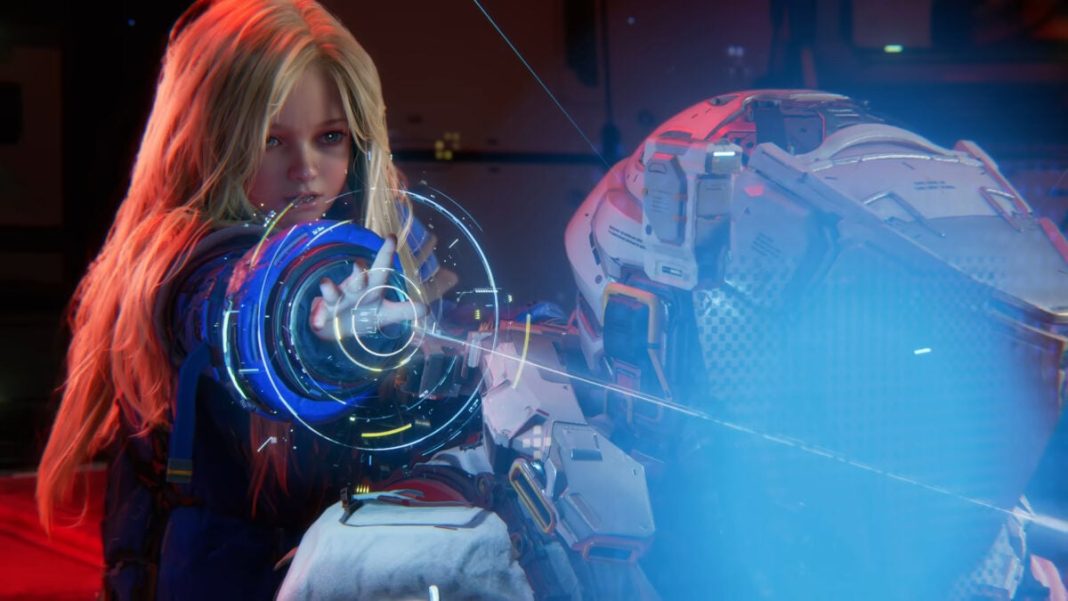
With games like Pragmata and Resident Evil Requiem emerging as early critical darlings of 2026, Capcom is on top of the world right now. In fact the company has been on a hot streak for a while, if you ignore the whole Street Fighter 6 incest fiasco. You can open up a page on the company’s website that has every game it’s released, and you’ll find mostly wall-to-wall bangers for the past several years. Even some ill-fated games like the dinosaur shooter Exoprimal were at least trying cool stuff. With the company firing on all cylinders, it’s wild to think that a decade ago, Capcom was in such a terrible slump that people had taken to calling the company “Crapcom.”
The trajectory is, surprisingly, best illustrated by Resident Evil. In 2005, Resident Evil 4 revolutionized the survival horror series in what is still widely considered one of the best games of all time, and then…well, the series stumbled a little, and then fell into a dumpster that went rolling down a hill until it collided with a truck. 2009’s Resident Evil 5 dialed up Resident Evil 4’s action leanings and fell into the multiplayer-focused trap of the late aughts, to memetic results. While the game had a decent reception at the time and has slowly been covered in rose-tinted nostalgia as folks forget its shortcomings (Chris punching a boulder while Sheva runs around inside a volcano is camp, all right), it was certainly viewed as a step back from Resident Evil 4’s generation-defining excellence.
Rather than learning lessons from Resident Evil 5, Capcom tripled down on the series’ issues in 2012 with Resident Evil 6, which is often cited as one of the lowest points in the franchise, abandoning all sense of distinct horror atmosphere in favor of pressing the gas on generic cooperative action. It felt as if every game needed a multiplayer element at this point in the PS360 era, and that meant that historically single-player franchises were shoehorning multiplayer elements into their latest sequels. This is the era in which online passes were used to combat used game sales, and of companies trying to find what would eventually become the modern-day live-service approach to keep people playing games rather than trading them in. Some companies pulled it off. Resident Evil 6, meanwhile, is one of the most apparent examples of Capcom following trends instead of charting its own path.

Resident Evil went away for a bit, with Resident Evil 7: Biohazard reintroducing the series in 2017 with a renewed focus on horror, a new first-person perspective, and a complete re-establishing of what the name meant. Since then, Resident Evil has kept its distinct identity intact, and found ways to marry its terrifying scares and its action camp in games like Requiem. It took some stumbling to get to this point, but Capcom has repositioned Resident Evil as a genre-defining GOTY contender.
You can also see this trajectory with several of its other big franchises. Street Fighter V was a disaster at launch that eventually became good, and led to Street Fighter 6 bringing it all back around in 2023. Devil May Cry went from its best game in Devil May Cry 3: Dante’s Awakening to a middling Devil May Cry 4 and the incredibly divisive DmC: Devil May Cry. Then Devil May Cry 5 came out and reestablished the series as a standard-bearer for the action genre. It hasn’t been all sunshine and rainbows, though. Marvel vs. Capcom Infinite was a notorious dud. By and large, however, Capcom feels like it’s finally gotten its priorities straight for series that, not long ago, had fallen from grace.

Capcom’s resurgence as one of the best in the biz makes it exciting to see it also investing in new ideas like those on display in the sci-fi puzzle shooter Pragmata. It remains to be seen if the game has the legs of a long-running franchise, but as I said in my review, Pragmata’s blend of twitch shooting and real-time puzzle-solving feels fresh in a sea of releases from companies constantly going back to the well of old reliables. Even if Pragmata ends up being just a cool, one-time experiment, it’s clear that Capcom is interested in new games while refining and rejuvenating old series. This new wave of innovation and revitalization also makes it more exciting that the company is returning to Onimusha, which has been dormant for two decades, and releasing a new Mega Man next year, because the company’s output feels creative now, even when it’s working on something that could easily be a generic throwback.
These days, even legacy developers feel like they’re just one or two duds away from becoming a cautionary tale. The stumbles that Capcom went through over a decade ago would likely have buried it in the realm of public opinion now. Would it have survived another Crapcom era in the 2020s? Probably. Monster Hunter and Resident Evil sell like hotcakes even when they’re not great. But thankfully, it doesn’t sound like we’ll have to find out any time soon.